
Comfort & Materials / Guide 17
Hospitality Interior Design Dubai: Premium Interiors with Fewer Materials
Create a refined Dubai hospitality interior with a focused material palette, thoughtful proportions, consistent details and practical maintenance choices.
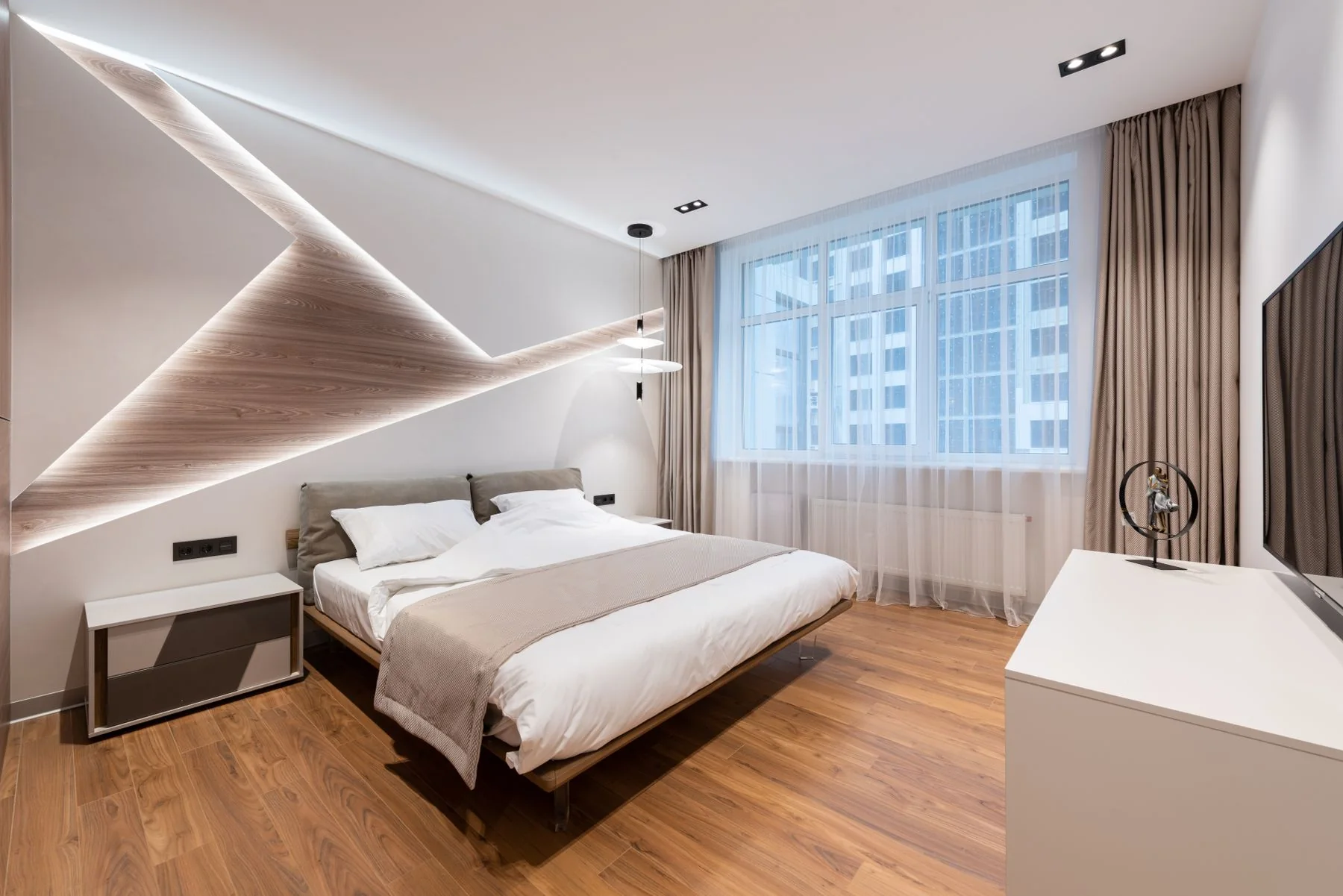
At a glance
A focused material palette can create a refined hospitality interior when proportion, junctions and lighting are carefully resolved. Give each finish a clear role, vary texture deliberately and invest attention in the details guests touch. Simplicity should reduce visual confusion while preserving the performance required in each location.
A room does not become more considered simply because it contains more finishes. Too many competing stones, metals and patterns can make a compact space feel unsettled. Hospitality interior design in Dubai can achieve a stronger identity through a smaller set of materials, provided the design addresses scale, craft and everyday use with equal care.
Choose a hierarchy instead of a collection
Identify the principal background material, the supporting surfaces and the limited accents that carry emphasis. Decide where guests should look first and what should remain quiet. This gives the palette a structure rather than treating every supplier sample as a separate opportunity.
Review the room as a whole, including doors, skirtings, switches and equipment. These practical elements also have colours and finishes, even when presentation boards omit them. Bringing them into the palette early can prevent a restrained concept from becoming visually fragmented during technical coordination.
Use texture and proportion deliberately
A limited colour range does not require every surface to look identical. Controlled differences in grain, weave and sheen can provide depth. Test them together at a useful scale, considering how much of each material will be visible from the main guest positions.
Pay attention to proportion. A narrow strip of stone, an oversized metal trim or a crowded headboard composition can undermine an otherwise coherent palette. Adjust the dimensions and relationships before adding another decorative layer to disguise a weak junction or an unresolved furniture arrangement.
Make repeated details consistent
Identify the details that recur: door handles, joinery edges, table profiles and metal finishes. Establish a consistent approach while allowing sensible differences where performance requires them. A guest may not analyse these details individually, but inconsistency becomes noticeable across a room or corridor.
Coordinate drawings and samples so that different suppliers understand the same intent. Similar finish names can describe visibly different products. Retain approved references and review substitutions against the complete palette rather than accepting each replacement in isolation.
Let lighting reveal the materials
Review finishes under the planned lighting and from actual viewing positions. Grazing light can emphasise texture and imperfections, while reflective surfaces can create unexpected glare. Coordinate these effects with the lighting team rather than assuming that more accent light will improve every material.
Keep a balance between focal elements and comfortable background illumination. If every surface is highlighted, the hierarchy disappears. Test the furnished room during relevant daytime and evening conditions, including the way curtains, upholstery and artwork change the perceived colour and warmth of the space.
Protect practical performance
A focused palette should not force one specification into unsuitable locations. A related family of finishes can provide visual continuity while responding to wet areas, high contact or outdoor exposure. Have the relevant technical requirements confirmed for each application.
Discuss cleaning, repair and replacement with the operator. Fewer materials may simplify records and spare stock, but only if the selected products remain available and practical to maintain. Use the mock-up to inspect close-contact details and complete assemblies before repeating them throughout the property.
Common questions
Does a limited palette always cost less?
No. Cost depends on the products, quantities, detailing and installation. A focused palette is a design strategy; review its financial implications with the cost and procurement teams rather than assuming automatic savings.
Can every surface use the same finish?
Only where the specification is suitable. Visual consistency can come from coordinated alternatives with different technical properties, especially across bathrooms, guestrooms, public spaces and outdoor areas.