
Comfort & Materials / Guide 15
Hospitality Interior Design Dubai: Soft Finishes for Restful Guestrooms
Select soft finishes for Dubai hotel guestrooms by balancing texture, light control, acoustic goals, cleaning methods and practical replacement planning.
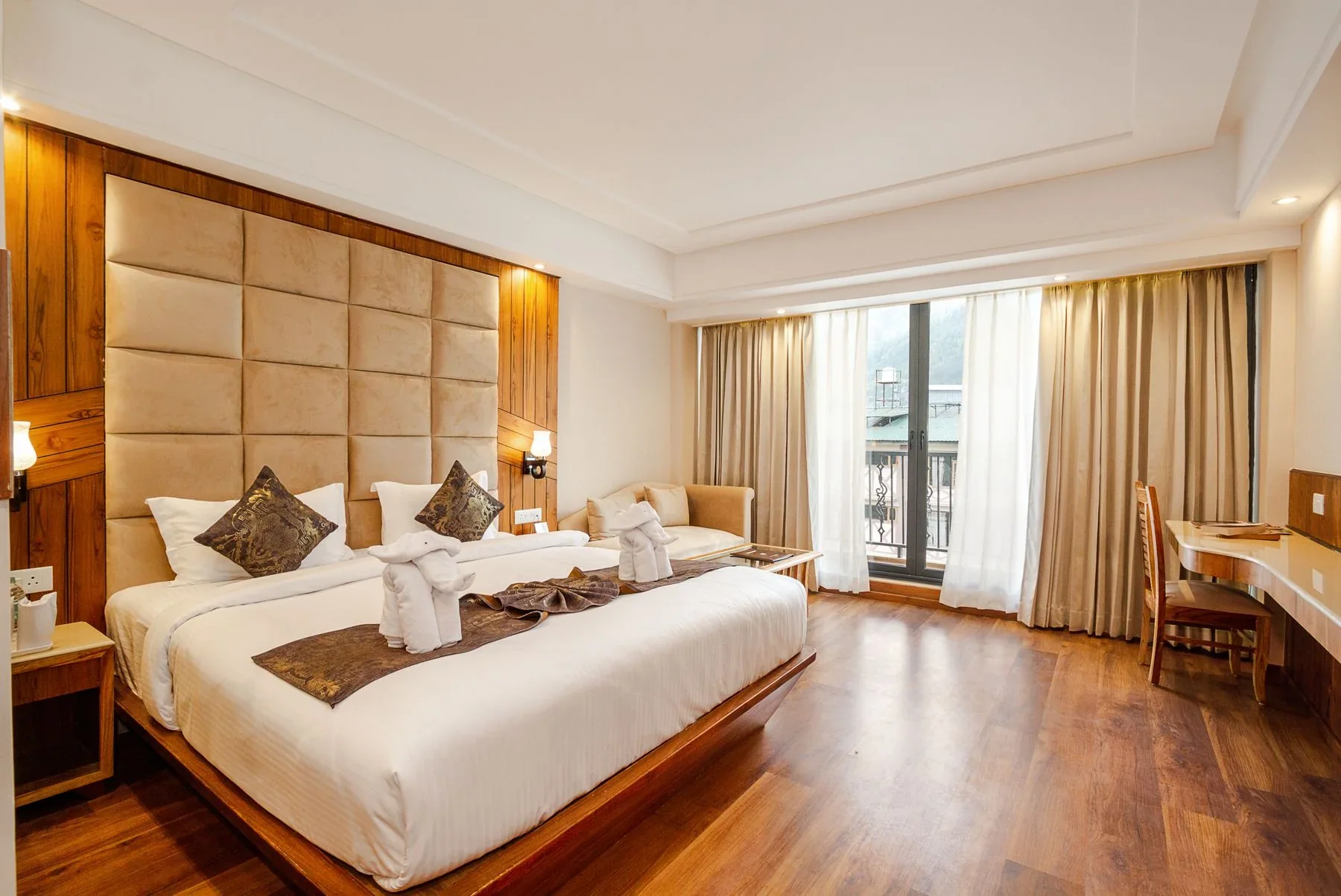
At a glance
Soft finishes can make a guestroom feel more comfortable, but each layer needs a clear role. Coordinate curtains, upholstery, rugs and bedding with light, sound and maintenance requirements. Review product evidence and full-size samples, and avoid treating visual softness as proof of acoustic or other technical performance.
A restful room depends on the relationship between surfaces, light and everyday use. Adding more cushions is not necessarily the answer. Hospitality interior design in Dubai should choose soft finishes deliberately, giving texture and warmth a practical purpose while keeping the room straightforward to clean, repair and operate.
Give each textile a defined function
Identify whether a fabric is intended for comfort, privacy, light control, decoration or a combination. A curtain at the window has different demands from a headboard fabric or loose cushion. Starting with the function makes it easier to compare products and avoid unnecessary layers.
Review the whole room rather than approving each textile separately. Several strong patterns or deep textures can compete with one another, particularly in a compact guestroom. Choose a coherent hierarchy, allowing the principal finish to carry character while supporting elements remain quieter.
Distinguish a soft appearance from sound performance
Absorbent finishes can help control sound reflections inside a room, while sound travelling from corridors or neighbouring rooms requires attention to the complete construction and service paths. These are different tasks. A padded headboard should not be assumed to solve sound transmission through a wall.
The Whole Building Design Guide discusses absorption, separation and equipment noise as parts of acoustic comfort. Use those general principles as background and obtain project-specific advice where needed. Ask for relevant product information and review the installed assembly rather than inferring performance from how soft a material feels.
Review touch, colour and light together
Handle samples and view them under the planned lighting. A fabric may appear warmer, darker or more reflective once it covers a larger area. Check the relationship to skin contact, chair arms and the bed surround, where guests experience materials at close range.
At windows, test the selected layers for the intended privacy and light-control functions. Review how they stack, hang and meet adjacent finishes. A generous curtain treatment can look composed when closed but overwhelm a small room if its open position has not been considered.
Plan cleaning before approving the palette
Invite housekeeping to review care instructions and the proposed cleaning products and equipment. Some finishes suit removable covers; others need a different maintenance approach. Confirm relevant technical and safety requirements with the specification team before committing to a fabric.
Look closely at seams, piping, folds and inaccessible edges. These details affect both appearance and upkeep. Avoid assuming that a pale or dark colour alone determines practicality; texture, finish, cleaning method and the location of use all influence how the item performs in service.
Make replacement part of the design
Record fabric references, dye or batch information where relevant, and the approved construction of upholstered pieces. Decide which components can be replaced individually and which require the whole item to be removed. Consider lead times and appropriate spare stock with the procurement team.
Review a furnished mock-up with all soft layers in place. Check whether cushions leave enough usable seating, rugs remain secure and window treatments operate freely. Keep the final arrangement restrained enough that staff can reset it consistently and guests can use the room without first dismantling its decoration.
Common questions
Does a carpeted room automatically have good acoustics?
No. Floor finish is only one part of the room. Sound sources, ceilings, walls, doors and building services may also matter, so the acoustic brief should be assessed as a whole.
Should every guestroom have decorative cushions?
Only where they add useful comfort or character. Consider where guests put them, how they are cleaned and how staff reset the room. Fewer well-chosen pieces can be easier to live with.