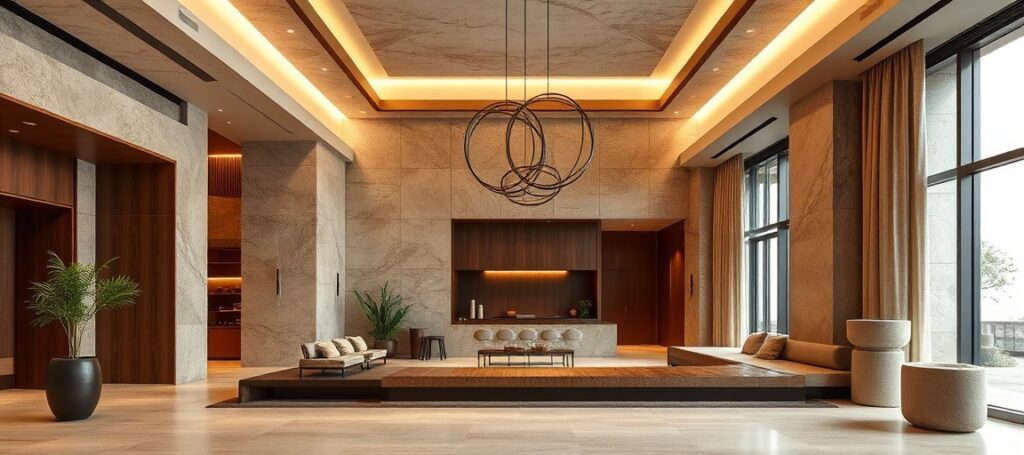
Hotel Interior Design Dubai: Elevating Hospitality Spaces
Hotel interior design in Dubai has become a hallmark of luxury and innovation, setting global benchmarks for hospitality spaces. As the city continues to attract millions of tourists and business travelers, the demand for exceptional hotel interiors has never been higher. Therefore, hoteliers and designers are constantly pushing boundaries to create immersive experiences that reflect Dubai’s unique blend of tradition and modernity.
In this post, we explore the latest trends, essential considerations, and expert insights for achieving outstanding hotel interior design in Dubai. Whether you are planning a new property or renovating an existing one, these tips will help you create spaces that leave a lasting impression.
Why Hotel Interior Design in Dubai Matters
Dubai’s hospitality sector is fiercely competitive, with new hotels opening regularly. Moreover, the city’s status as a global hub means that guests have high expectations. Consequently, hotel interior design in Dubai must go beyond aesthetics; it must create functional, comfortable, and memorable environments that cater to diverse guest needs.
Furthermore, the local culture and climate play a significant role. Designers must incorporate elements that respect Emirati heritage while addressing practical concerns such as temperature control and privacy. By doing so, hotels can offer authentic experiences that resonate with both international and regional travelers.
Key Trends in Hotel Interior Design Dubai
1. Biophilic Design and Sustainability
As environmental awareness grows, many hotels in Dubai are embracing biophilic design, which integrates natural elements into interiors. This includes indoor gardens, living walls, and ample natural light. Additionally, sustainable materials and energy-efficient systems are becoming standard. These choices not only reduce environmental impact but also enhance guest well-being and satisfaction.
2. Smart Room Technology
Dubai is a tech-savvy city, and hotel guests expect seamless digital experiences. Therefore, hotel interior design in Dubai increasingly incorporates smart room controls, from automated lighting and climate systems to voice-activated assistants. These features add convenience and a sense of luxury, setting properties apart in a crowded market.
3. Local Cultural Influences
To create a sense of place, many designers are weaving local cultural motifs into hotel interiors. This can be seen in artwork, textiles, and architectural details that reflect Dubai’s heritage. By blending traditional elements with contemporary design, hotels can offer a unique and authentic atmosphere that celebrates the city’s identity.
Essential Considerations for Hotel Interior Design in Dubai
When undertaking a hotel interior design project in Dubai, several factors require careful attention.
- Climate Adaptation: The extreme heat means interiors must be designed with efficient cooling and insulation in mind. Moreover, materials should be durable enough to withstand high temperatures and humidity.
- Space Optimization: Given the high cost of real estate, maximizing space efficiency is crucial. Designers should create flexible layouts that accommodate various guest activities.
- Brand Identity: The interior design should align with the hotel’s brand and target audience. Consistency in design language helps build recognition and loyalty.
- Regulatory Compliance: Dubai has specific building codes and hospitality regulations. Therefore, designers must ensure all aspects of the interior meet safety and accessibility standards.
By addressing these considerations early in the design process, hoteliers can avoid costly revisions and ensure a smooth project execution.
Expert Tips for Successful Hotel Interior Design Dubai
To achieve exceptional results, consider the following expert tips:
- Collaborate with Local Experts: Working with designers who understand Dubai’s market and regulations is invaluable. They can provide insights into local sourcing, labor, and cultural nuances.
- Focus on Lighting: Lighting plays a pivotal role in setting the mood and enhancing functionality. Layered lighting schemes can highlight architectural features and create inviting atmospheres.
- Invest in Quality Furnishings: High-traffic areas require durable, high-quality furniture. Moreover, custom pieces can add a unique touch while ensuring longevity.
- Incorporate Art and Accessories: Curated art and accessories can elevate the design and tell a story. Consider commissioning local artists to add authenticity.
These strategies, when implemented thoughtfully, can transform hotel interiors into spaces that guests love to return to.
Conclusion
Hotel interior design in Dubai is a dynamic field that demands creativity, cultural sensitivity, and technical expertise. By staying abreast of trends and focusing on guest experience, hoteliers can create interiors that not only meet but exceed expectations. Whether you are embarking on a new project or refreshing an existing space, partnering with experienced professionals is key to success.
Ready to elevate your hotel’s interiors? Contact our team of experts today to discuss your vision and discover how we can bring it to life with stunning, functional designs tailored to Dubai’s unique hospitality landscape.