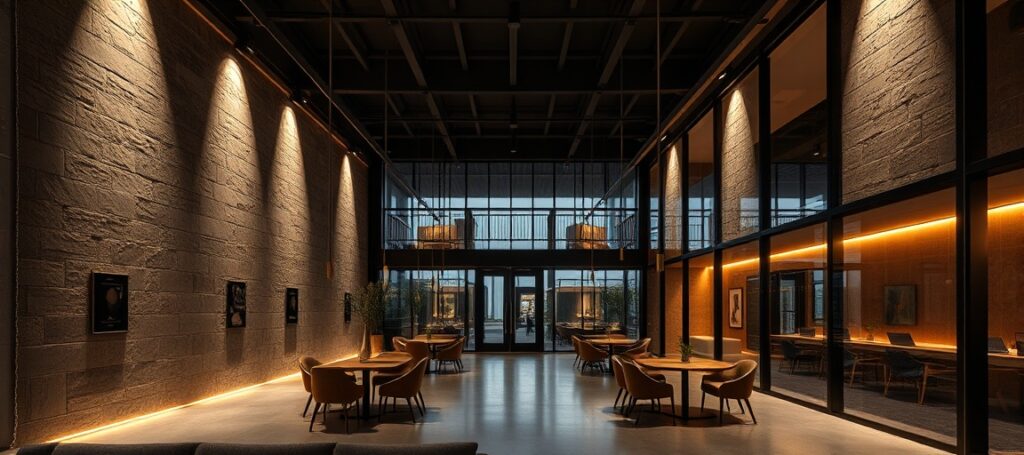
Hotel Interior Design Dubai: Elevating Luxury Hospitality Spaces
Hotel Interior Design in Dubai has become a defining element of the city’s reputation as a global hub for luxury hospitality. From the sleek towers of Downtown Dubai to the serene beachfront resorts of Jumeirah, designers are crafting spaces that blend opulence with functionality. However, achieving a memorable guest experience requires more than just expensive furnishings; it demands a strategic approach to spatial planning, lighting, and material selection. Therefore, understanding the unique demands of the Dubai market is essential for any hotelier looking to stand out.
Why Hotel Interior Design in Dubai Matters for Guest Experience
The hospitality industry in Dubai is fiercely competitive. With thousands of hotel rooms across the emirate, first impressions are critical. Furthermore, guests today expect more than just a place to sleep; they seek immersive environments that reflect local culture and modern luxury. Consequently, Hotel Interior Design in Dubai must balance aesthetics with durability to withstand high turnover. For instance, using high-quality materials like marble, brass, and sustainably sourced wood ensures longevity while maintaining a premium look. Moreover, integrating smart room technology and ergonomic layouts can significantly boost guest satisfaction scores.
Key Elements of Successful Hotel Interiors
- Lobby Impact: The lobby sets the tone. A grand, welcoming space with statement lighting and comfortable seating encourages guests to linger.
- Room Functionality: Efficient use of space is vital, especially in urban hotels. Modular furniture and clever storage solutions enhance comfort.
- Cultural Resonance: Incorporating subtle nods to Emirati heritage, such as geometric patterns or local art, adds authenticity.
- Lighting Design: Layered lighting—ambient, task, and accent—creates mood and highlights architectural features.
Current Trends Shaping Hotel Interior Design in Dubai
Dubai’s design scene is dynamic, influenced by global trends and regional tastes. Recently, there has been a shift towards biophilic design, bringing nature indoors through living walls and natural light. Additionally, minimalist luxury is gaining traction, where clean lines and neutral palettes replace excessive ornamentation. However, the city’s love for grandeur remains evident in iconic projects like the Burj Al Arab. Therefore, designers must strike a balance between timeless elegance and contemporary innovation.
Moreover, sustainability is no longer optional. Eco-conscious travelers prefer hotels that reduce carbon footprints. Hence, using recycled materials, energy-efficient lighting, and water-saving fixtures can appeal to this demographic. For more insights on sustainable design practices, refer to the U.S. Green Building Council.
How to Choose the Right Designer for Your Dubai Hotel
Selecting the right design partner is crucial for project success. Start by reviewing portfolios that showcase hospitality projects in the Middle East. Furthermore, ensure the firm has experience with local regulations and construction practices. A good designer will also collaborate closely with architects and contractors to avoid costly delays. Therefore, communicate your brand vision clearly and set realistic budgets from the outset.
For inspiration on global hospitality trends, explore resources like Hospitality Design Magazine.
Conclusion: Transform Your Hotel with Expert Interior Design
In summary, investing in professional Hotel Interior Design in Dubai is a strategic move that can elevate your property’s reputation and profitability. By focusing on guest-centric design, sustainability, and local relevance, you can create spaces that leave a lasting impression. Whether you are renovating an existing hotel or building a new one, partnering with experienced designers is the key to success. Contact us today to discuss how we can bring your vision to life.