
Guestroom Design / Guide 14
Hospitality Interior Design Dubai: Bedside Controls Guests Can Understand
Design intuitive bedside controls for Dubai hotel rooms, coordinating lighting, charging and blackout with clear labels, reach and everyday guest routines.
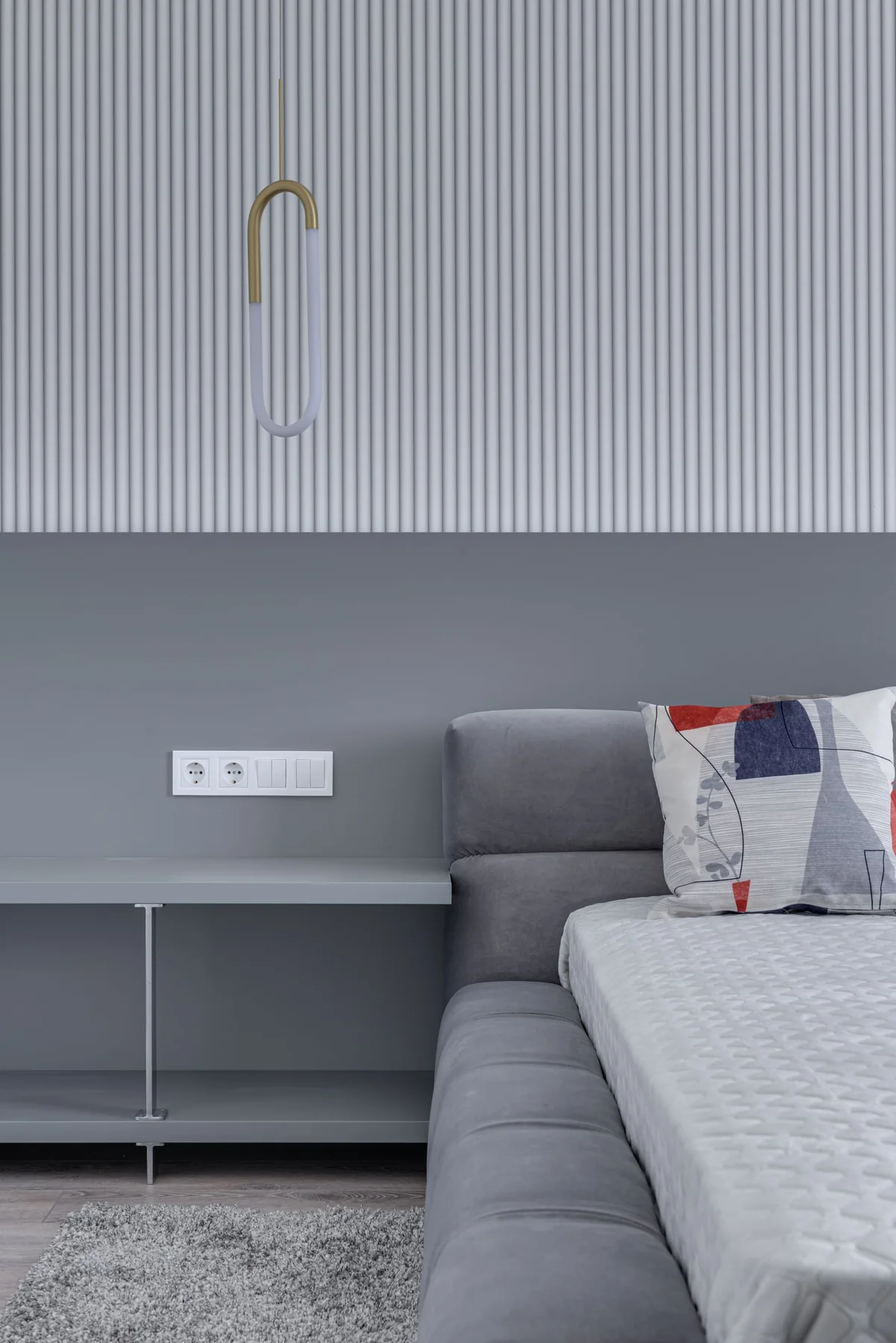
At a glance
Bedside controls should make essential actions obvious: read, dim the room, close the curtains and settle to sleep. Agree the functions and behaviour before selecting the interface. Coordinate reach, labels, charging and equipment positions, then test the system with someone who has not received instructions.
A sophisticated room should not require a lesson before a guest can turn off the lights. Confusing controls can undermine otherwise thoughtful furniture and lighting. Hospitality interior design in Dubai should treat the bedside interface as part of the guest journey, connecting the physical buttons or screen to the actions people expect to perform from bed.
Define the essential actions
List what each guest needs to do from their side of the bed. Separate essential functions from features that can be controlled elsewhere. Reading light, room lighting and charging may deserve immediate access, while less frequent settings may not need to occupy the same small panel.
Agree what a master control actually changes. Guests should not discover that an expected action also interrupts charging or changes another person's reading light. Document the intended behaviour with the operator and electrical team before interfaces are ordered or joinery is manufactured.
Coordinate reach and visibility
Review controls with the actual mattress height, pillows and bedside furniture. A panel that looks aligned on an elevation may be hidden or difficult to reach from the bed. Test access from both sides and in any alternative bed configuration the room supports.
Keep important labels legible under the intended night-time conditions without creating intrusive brightness. Consider contrast, button spacing and the way tactile or other access provisions fit the project strategy. Have relevant requirements reviewed by the accessibility and technical specialists rather than relying on appearance alone.
Use names that describe the result
Labels should help guests predict what will happen. A scene name that is meaningful to the design team may not be meaningful to a first-time visitor. Keep the vocabulary consistent between bedside panels, entrance controls and any room information.
Where icons are used, test them with people unfamiliar with the system. Do not assume that a custom symbol communicates its function universally. A concise label can be more helpful than an elegant but ambiguous graphic, particularly when a guest is tired or using the room in low light.
Keep charging and loose equipment organised
Locate charging connections where cables can reach a useful surface without crossing the bed or disappearing behind fixed furniture. Coordinate the electrical specification and product compatibility with the technical team. Include the space occupied by plugs, devices and any hotel-provided equipment.
Keep lamps, telephones and other accessories from obscuring the controls. Test the complete bedside arrangement rather than approving the panel in isolation. If furniture or equipment changes later, review the interface again so a procurement substitution does not make an essential function inaccessible.
Test ordinary use and recovery
Ask unbriefed reviewers to read, switch to night mode and restore the room lighting. Observe hesitation without coaching. Test both guests using the controls at the same time and confirm that the resulting behaviour matches the agreed schedule.
- Record what each button or scene controls.
- Check visibility and reach with bedding and accessories in place.
- Confirm how the system resets after room servicing or an interruption.
- Provide staff with clear operating and fault-reporting instructions.
Common questions
Are touchscreens better than physical buttons?
Neither is automatically better. Compare clarity, reach, visibility, maintenance and the functions required. Test the actual interface with guests and staff rather than choosing solely for its appearance.
Should a master switch control every electrical outlet?
Its behaviour must be coordinated with the electrical team and operator. Guests may expect some functions to continue, so define and communicate the arrangement clearly instead of relying on assumptions.